

The Fascination of Ferns

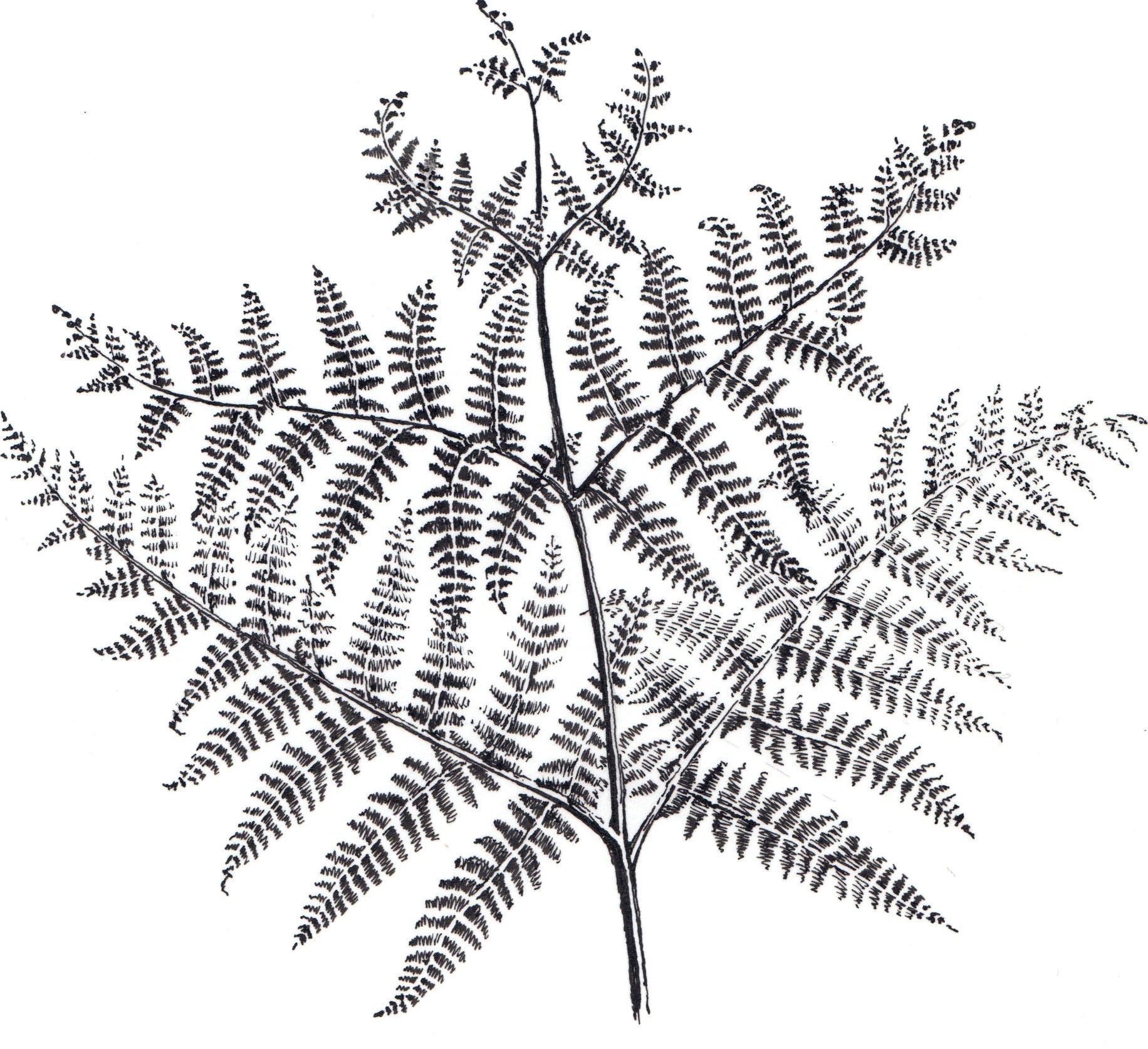
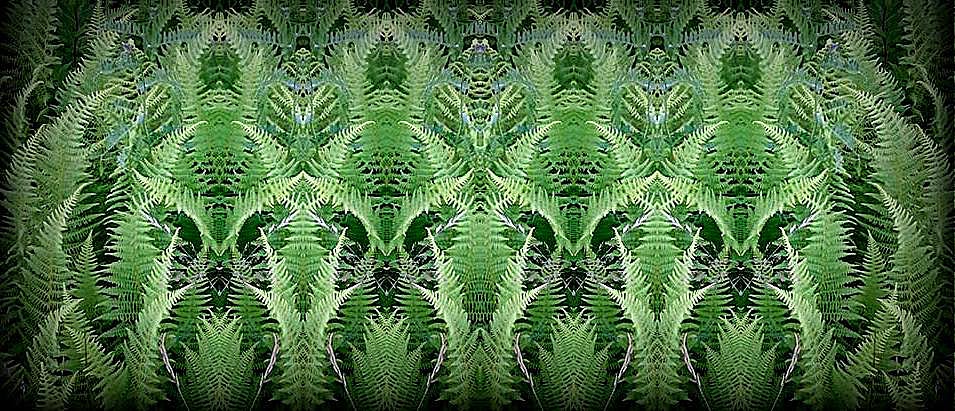
As promised in my previous post, Rebooting the Brain, I’ve been looking into the idea of ‘Soft Fascination’. It’s no surprise to learn that rhythmic waves, drifting clouds and rustling leaves all have the power to attract and calm us, but it turns out that certain designs in nature can also reduce our heart rate and deepen our breathing. Surprisingly, these are fractal patterns, shapes which repeat at different scales, as in pinecones, snowflakes, sunflower seed heads and, of course, ferns.
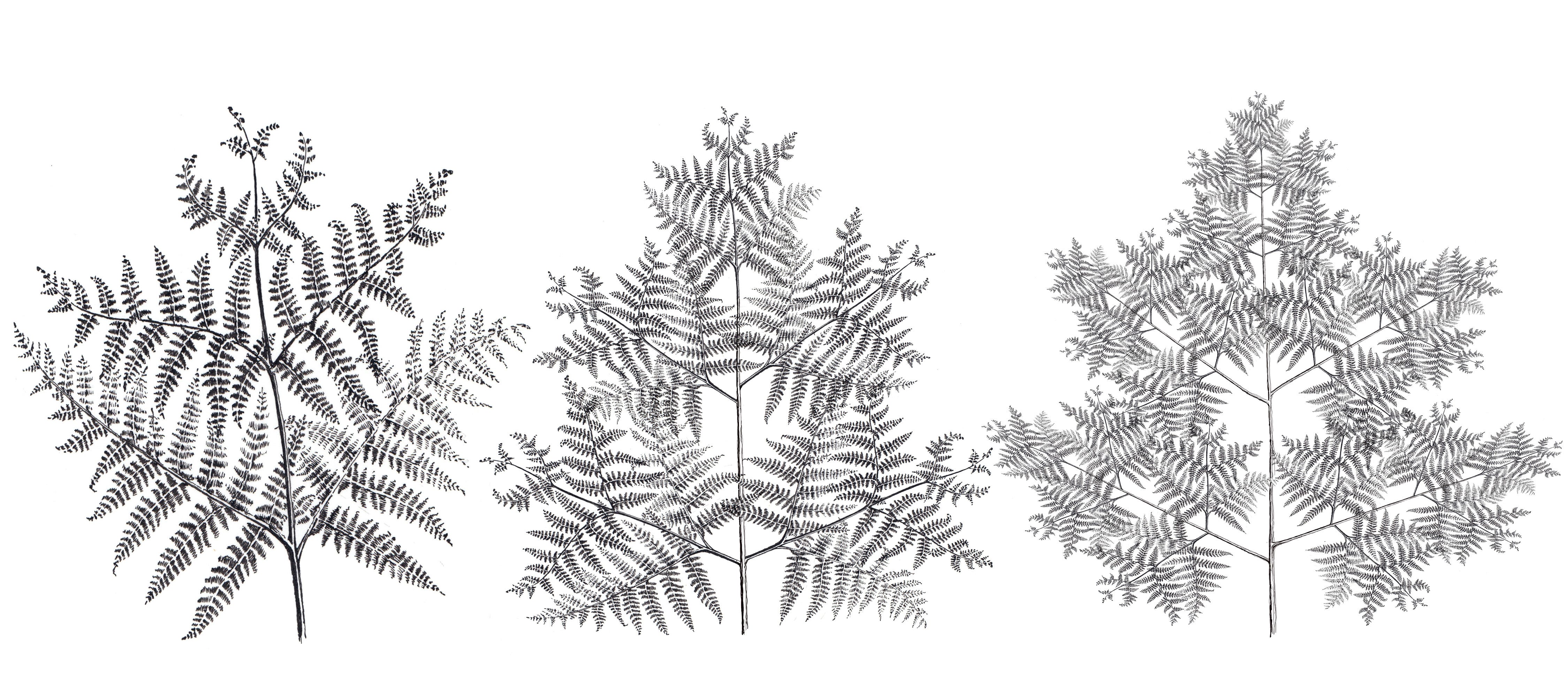
Ferns are not only fine examples of fractals, they are extremely ancient – dinosaurs came and went while ferns kept calm and carried on – and they are also deer-resistant opportunists willing to grow in not much of anything, all of which explains why I love them dearly, and why I’ve strolled down to the ‘jungle’ on this warm day to sit on the edge of the bridge and soak up their soothing greenness.
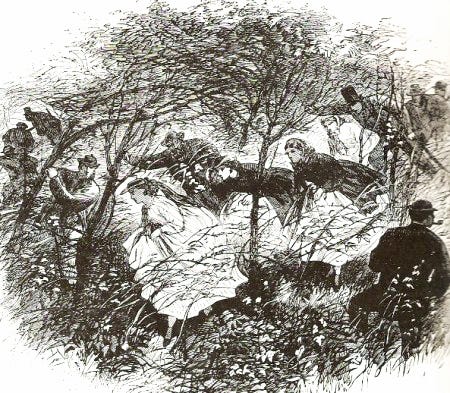
My love of these plants is evident throughout the garden, but it doesn’t compare with the obsessive collecting craze that struck nineteenth century Britain when amateur botanists, often women, scrambled about the countryside plucking native species from their habitats. At a time when the recreational activities of respectable housewives were limited to such riveting pursuits as turning their hair into jewelry, pteridomania gave them an excuse to slacken the corsets, hitch up the bloomers and throw themselves enthusiastically at rock faces or into ditches, activities that coincided with early outcroppings of feminism. I wouldn’t dream of removing ferns from the wild, but I certainly appreciate the motivations behind such fervour.
I’ve heard it said that a person knows they’re growing old when they start to love a good fern. So be it. Only after we came out west did I begin to appreciate these unpretentious plants. Back east I didn’t particularly admire them, I ate them. In spring, Maritimers traditionally forage for fiddleheads, the spiralled crosiers of ostrich ferns, and sometimes serve them with a startlingly bony fish called gaspereau.
I planted an ostrich fern here by the bog garden for old-time’s sake but I’m not planning to eat it, nor am I planning to import any gaspereau because I’ve done my share of picking hairy little bones from between my teeth. My first encounter with the fish was memorable. We had just settled into our new Canadian home when a thump on the door one evening revealed a rugged character who stared at me enquiringly. “Yes?” I stared enquiringly back. “Gaspereau?” he demanded. “Gas Pro?” I echoed, completely baffled. “Gaspereau?” he repeated. Louder. It took time, but eventually I escaped from the conversational gridlock with a load of slippery protein wrapped in newspaper, an advanced education in local gastronomy and the promise of an annual delivery of extremely fresh fish.
I know that bracken fern is toxic to insects, and judging by the number of unmolested fronds in this garden, I suspect that most other ferns are as well. Nowadays, we’re advised against eating any kind of ferns in quantity. The First Nations along this coast, however, harvested the rhizomes of the bracken fern and ate them baked or roasted. They also used, and probably still use, the liquorice fern for flavouring. From where I’m sitting on the bridge, I can reach out and pull up a scrap of its stringy rhizome, scratch it clean with my fingernail, nibble it, and feel the tip of my tongue tingle with a sweet and powerful taste of – ooh yes! – liquorice. These ferns can grow on sheets of rock by lying dormant through the summer then sprouting afresh as the rains return in fall. Along with moss, they also drape themselves like furry green garments on the trunks and branches of bigleaf maples.
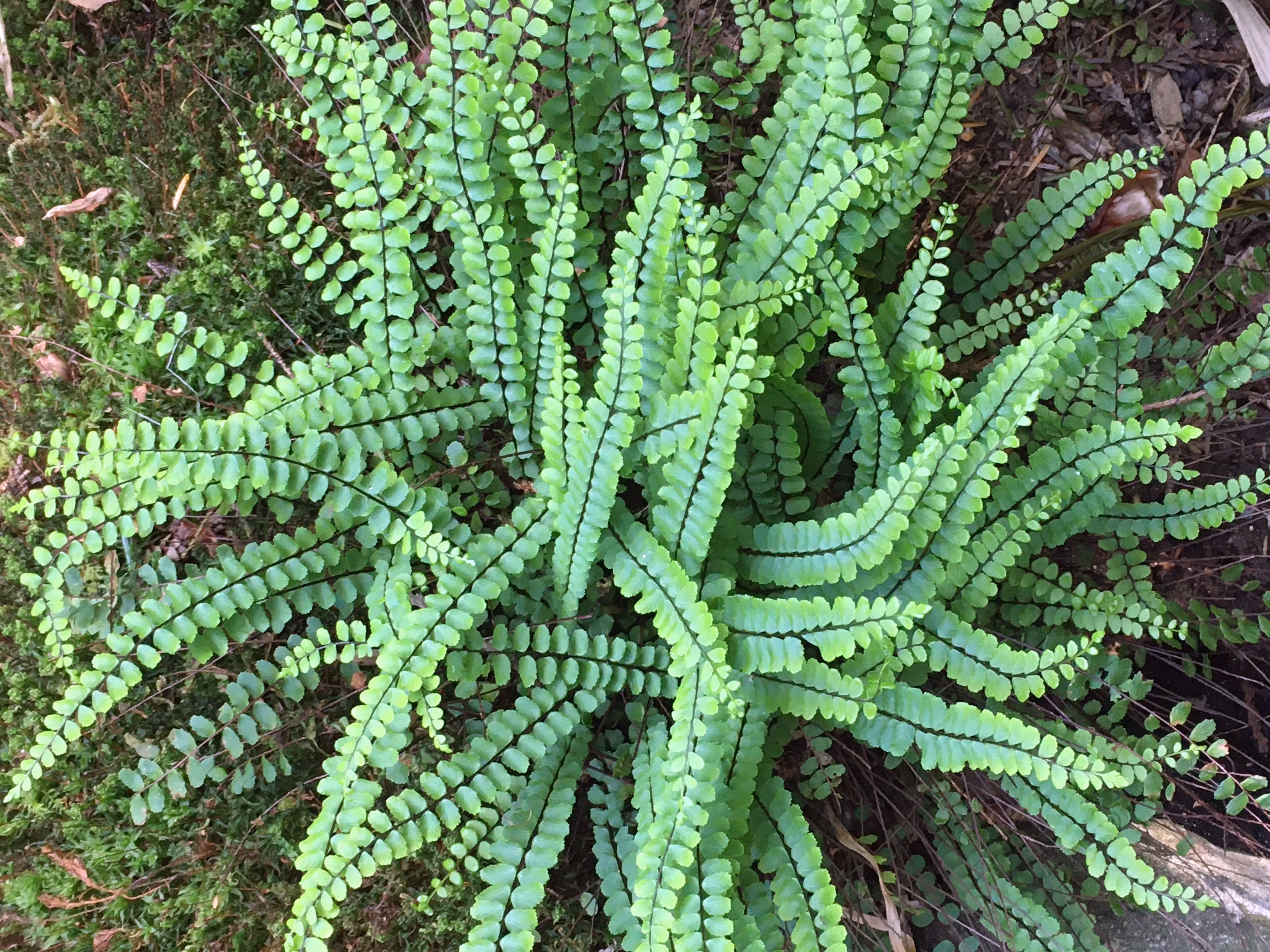
I tend to connect ferns with damp and shade, but from my perch, I can see two native ferns, parsley ferns and spleenworts which, like bracken and liquorice ferns, cope with dry spells. The small curly fronds of parsley fern look fragile, but the impression is misleading. It was one of the first plants to reappear in fields of ash after the eruption of Mount Saint Helens in 1980. Spleenworts are miniatures that grow in neat whorls quite unlike our usual image of ferns. Here they thrive tucked into crevices between boulders at the sides of the creek.
These are both dainty little things. At the other end of the scale, and directly below me in the bog garden sprawls the enormous and unruly royal fern. The bog garden has turned into a royal-fern garden and I’m wondering what became of the Japanese iris, the marsh-marigold and even the poor old skunk cabbage.
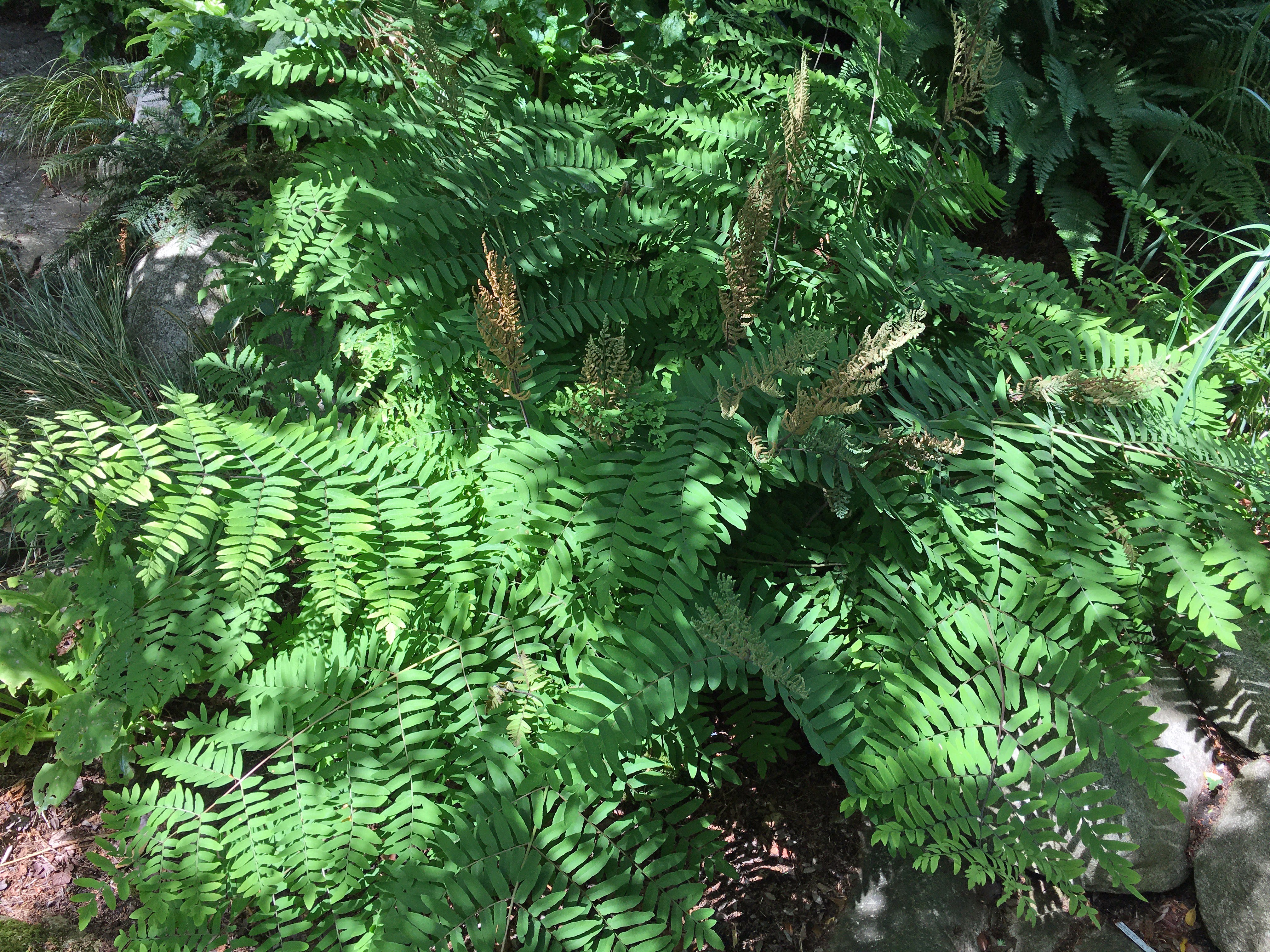
Sword ferns are native here and were already waist-high when we came to this garden thirty years ago. They must date back to pre-logging days – or even much, much earlier. Recently I discovered that they may be as old as the oldest of the forest trees around them. In the case of the park across the road this suggests about five hundred years. Old-growth sword ferns? Why aren’t we gasping in astonishment? Why aren’t we on our knees before them, singing praises and paying scientists to dedicate their lives to the research of such historic plants? I was horrified to read, a few years ago about a devastating die-back of sword ferns in Washington State, for which the causes and the remedy are still uncertain. I can’t imagine our forests without their green carpets.
But this won’t do! I set out today in search of soothing and I’ve strayed into the unthinkable. Let’s turn this report around, take a few deep breaths and bring ourselves back to the serenity of these ancient fractals.
MAKING MORE FERNS
I enjoy starting new plants from seeds but sometimes I grow them from pieces of the roots or stems of parent plants. In human terms this would be like coaxing body parts to grow into new people identical to the originals. It’s a peculiar idea though less peculiar, I suppose, since Dolly the sheep was cloned in 1996.
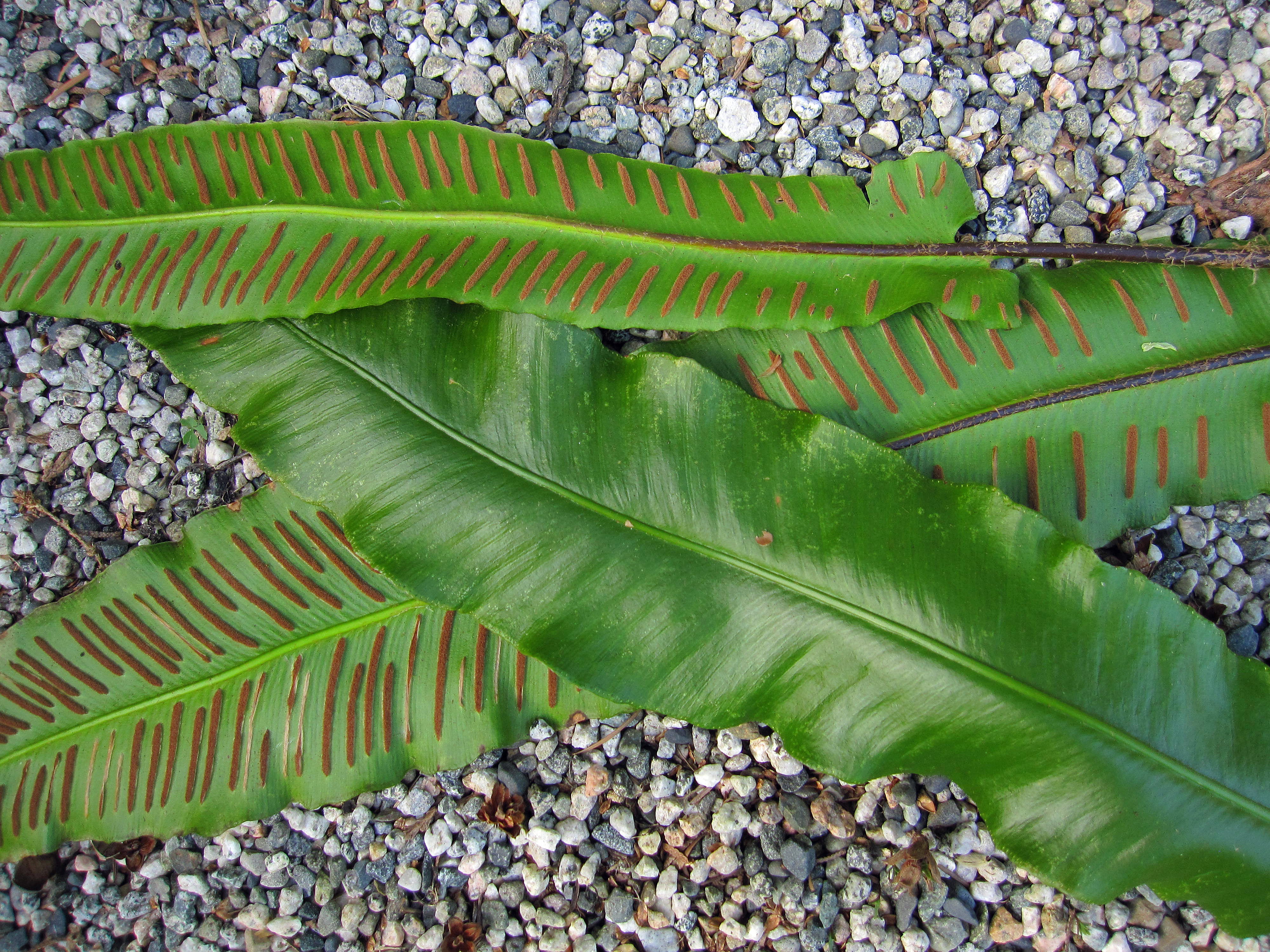
The propagation of ferns is every bit as odd, and when I attempted it some years ago, the oddest part of all was that I succeeded. I didn’t really believe that the small dots and streaks on the backside of fronds would donate invisible spores to my sterilized containers of damp earth and so, much later, when I discovered a pot labelled hart’s tongue fern inside a plastic bag under the greenhouse sink I didn’t believe that the weird stuff on the surface of the soil was anything other than liverwort (the little green lobes you find on the soil surface of overwatered nursery containers). I replaced the pot and when I finally rediscovered it, I was astonished to see that tiny hart’s tongues had really and truly sprouted from such an unpromising intermediate generation.
I too love ferns. They blend and mix everything. Thanks for the Fern Story and all your previous delights.
Delightful! And I always thought ferns were just part of the fern-iture!